Nvidia CEO’s Microduck Demo Sparks 20,000 Preorders Amidst Industry Turmoil
A viral keynote moment featuring small, waddling robots has driven a surge in preorders, positioning the device as a potential holiday sensation despite recent AI sector concerns.
By Eduardo Salazar ·
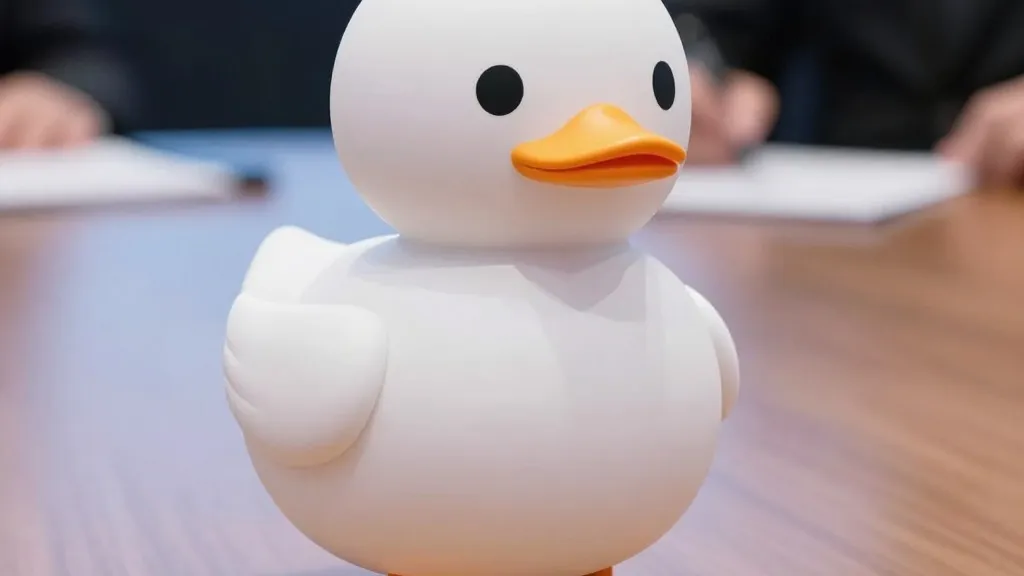
The figure of 20,000 preorders, recorded within roughly 24 hours, serves as the most immediate metric of success for the Microduck, a small robotic device that captured public attention during Nvidia’s recent GTC Berlin conference. The surge in orders followed the viral spread of a video showing Nvidia CEO Jensen Huang interacting with a group of the robots on stage. The device, which moves with a waddling gait and emits small, mechanical sounds reminiscent of classic sci-fi droids, has transitioned from a keynote novelty to a commercial product of significant interest.
According to Clem Delangue of Hugging Face, the preorder milestone was reached the day after the keynote address. The robots were observed performing a series of programmed actions, including sitting, lying down to simulate a nap, and executing somersaults upon voice command. Delangue suggested in a social media post that the Microduck could become the best-selling robot of the year, a prediction that extends beyond the traditional toy market given that promotional materials feature adults engaging with the device.
The timing of this commercial push is notable, as the Microduck is scheduled for delivery in time for the Christmas holiday season. This window positions the product to compete for consumer spending during the peak retail period. The rapid uptake of preorders indicates a level of consumer enthusiasm that may challenge established holiday favorites, particularly as the device is marketed not just to children but to a broader demographic.
The corporate lineage of the Microduck reflects the recent consolidation of assets within the artificial intelligence sector. The robots are open-source devices produced by Pollen Robotics, a firm that was acquired by Hugging Face in 2025. Hugging Face was subsequently purchased by Nvidia in September, making the Microduck effectively an Nvidia product. This is the second robotic device to emerge from Hugging Face’s portfolio, following the earlier release of the Reachy Mini, which also received positive reception for its design and functionality.
The technical capabilities of the Microduck are underpinned by Nvidia’s proprietary technology stack. The devices were trained using simulations, a process that taught them basic movements such as walking, sitting, and standing. These core functions are pre-loaded into the units at the time of manufacture. Pollen Robotics has stated that the system allows owners to train their specific robots with new tricks, which can then be shared with the wider community, creating a potential ecosystem of user-generated content and behaviors.
The viral nature of the keynote video has played a crucial role in driving initial sales. The footage showed Huang playing with the flock of robots, highlighting their responsive and playful nature. This visual demonstration served as a powerful marketing tool, reaching a global audience and generating immediate interest. The simplicity of the interactions shown in the video, combined with the endearing design of the robots, contributed to the rapid spread of the content across social media platforms.
The release of the Microduck comes at a complex moment for the AI industry. The week prior to the keynote was marked by significant scrutiny of AI’s role in recent cyberattacks, with the technology being blamed for a series of high-profile incidents. This backdrop of concern and debate provides a contrasting context to the lighthearted reception of the Microduck. While the broader industry grapples with questions of safety and impact, the Microduck offers a tangible, accessible example of AI in a consumer-friendly form.
The potential for the Microduck to become a best-seller is supported by its unique positioning in the market. As an open-source device, it appeals to a segment of users interested in customization and community sharing. The involvement of a major tech company like Nvidia adds credibility and likely ensures robust support and updates. The combination of advanced underlying technology with a simple, engaging user experience may be the key to its commercial success.
As the delivery dates approach, the Microduck’s performance in the holiday market will be a significant indicator of consumer appetite for AI-driven hardware. The initial preorder numbers suggest strong momentum, but sustained sales will depend on the actual user experience and the device’s ability to meet expectations. The case of the Microduck illustrates how a well-timed demonstration and a compelling product design can drive rapid adoption, even in a sector currently facing broader questions about its trajectory and impact.
Source: TechCrunch