Serbia votes as student movement challenges Vucic’s hold on power
A close parliamentary election follows almost two years of student-led protests over perceived corruption and growing authoritarianism.
By Herald Column Staff ·
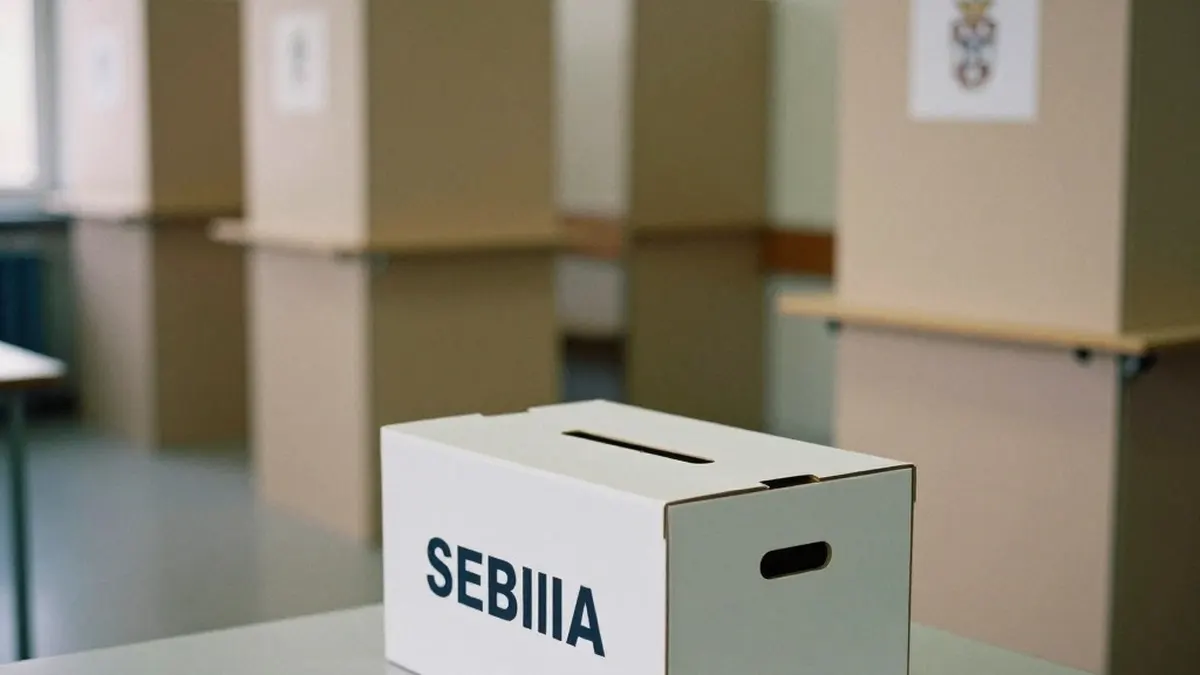
Voters in Serbia are casting ballots in parliamentary elections on October 25, with a student-led movement seeking to end Aleksandar Vucic’s more than decade-long hold on power. The longtime populist leader, who has served as both prime minister and president, faces a challenge from protesters who have built broad support.
Vucic called the snap vote in September and resigned from the presidency that month to seek another term as prime minister. The election comes after almost two years of demonstrations prompted by the collapse of a railway station canopy in Novi Sad in 2024, which killed 16 people. The disaster was widely attributed to government corruption and became the catalyst for protests against perceived corruption and increasing authoritarianism.
Defeat for Vucic would represent a major political change in the Balkan nation of about 6 million people, echoing Viktor Orban’s loss in Hungary in April. Yet Vucic retains considerable electoral strength. Many voters credit him with raising Serbia’s economic profile and overseeing a sustained period of modernisation.
Mario Bikarski, a senior Europe analyst at the risk consultancy Verisk Maplecroft, told Reuters that the Student List presented Vucic with his strongest challenge so far. Polling points to a close contest, although surveys disagree on who leads. An Ipsos poll released on Thursday put Vucic’s Serbian Progressive Party at 47 percent and the student movement at 40 percent. Other polls have placed the students ahead.
The Student List has made tackling corruption and improving education central to its programme, while providing few details about its international ambitions. Cardiologist Ilija Srdanovic heads its slate of 250 candidates, most of whom are unfamiliar to voters. The list includes university professors, actors and farmers. About 150,000 supporters gathered in central Belgrade on Thursday.
Vucic’s campaign pledges include increases in pensions and public sector pay, spending on state healthcare and subsidies for young couples. In foreign relations, he has pursued closer ties with China, an important investor, and Russia, Serbia’s traditional ally and main source of natural gas, while keeping European Union membership open as a possibility.
Relations with the EU have nevertheless deteriorated during his leadership. The bloc has become increasingly frustrated by the absence of reforms concerning the judiciary, the rule of law and corruption. Those tensions form part of the backdrop to an election shaped by the protest movement’s demands for change.
Rights organisations and activists say repression has intensified since the Novi Sad disaster. Vucic and his party have repeatedly rejected allegations of repression, corruption and surveillance of political opponents. The former president has also accused the students of receiving funding from foreign agents in Croatia and Montenegro, an allegation the movement denies.
Source: Al Jazeera