25 Years Ago, a $399 Card-Sized Gadget Changed How We Listen
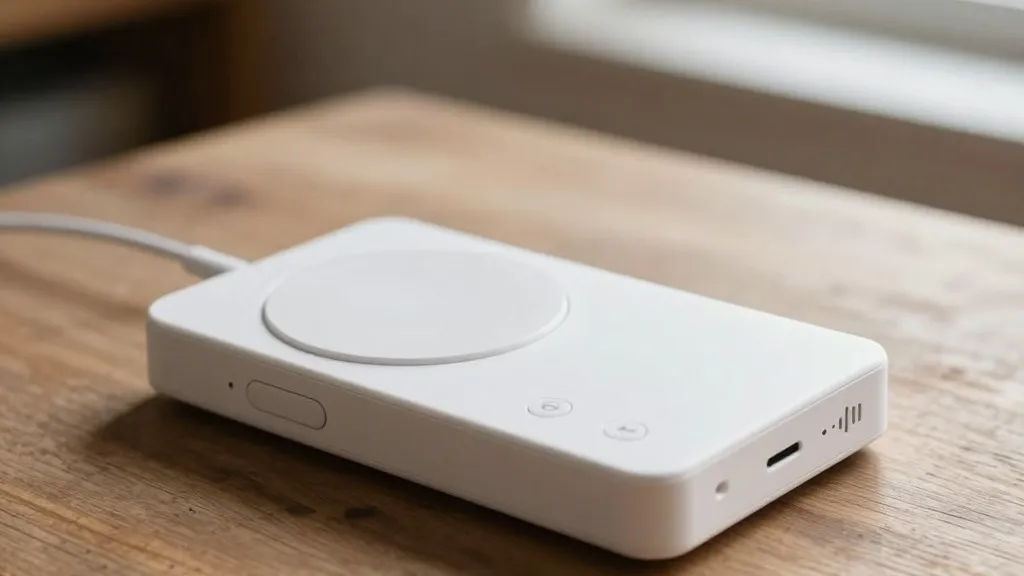
The original iPod launched in 2001, promising to fit a thousand songs into a device smaller than a deck of cards.
By Mei Lin ·
Exactly 25 years ago this month, a $399 device entered the market that promised to hold 1,000 songs in a package no bigger than a deck of cards. On October 23, 2001, Apple CEO Steve Jobs stepped on stage to unveil the original iPod, a gadget that would eventually become a cultural staple before smartphones made dedicated music players obsolete. At the time, the device was a bold bet for a company that was just recovering from the dot-com bubble burst, but it quickly became one of the most carried tech items of the era.
The hardware specs behind that promise were impressive for the early 2000s. The iPod featured 5 gigabytes of storage, which translated to roughly 1,000 pop songs at 160Kbps. To achieve this compact size, Apple utilized a 1.8-inch hard drive from Toshiba that was just 0.2 inches thick. The final product measured 2.4 by 4 by 0.78 inches and weighed only 6.5 ounces, making it lighter than most cell phones of that time.
Jobs positioned the device as the center of a digital lifestyle, arguing that while competitors like Sony and Creative had portable players, none had found the right recipe for digital music. He highlighted the iPod’s ability to handle MP3, WAV, and AIFF formats with CD-quality sound. A key differentiator was the inclusion of FireWire 400, which allowed for rapid data transfer. Jobs claimed that transferring an entire CD’s worth of music took only five to 10 seconds, whereas USB connections of the era required about five minutes.
The user experience was heavily emphasized in the launch presentation. The device included a rechargeable lithium-polymer battery capable of 10 hours of continuous playback, with an 80% charge achievable in one hour. The design focused on ease of use, featuring a scroll wheel with tactile feedback for navigating music by artist, playlist, or song. During the demo, the first track played was "Building a Mystery" by Sarah McLachlan.
Software integration was the third pillar of the iPod’s appeal. iTunes 2 launched simultaneously, introducing features like MP3 CD burning and Auto-Sync. This feature ensured that any music library curated on a Mac would automatically update on the iPod whenever the device was connected for charging or data transfer. The iPod also functioned as a FireWire hard drive, adding versatility to its primary role.
The iPod line remained a core part of Apple’s product stack for over a decade, coexisting with the iPhone, which arrived in early 2007. While the device’s relevance waned as smartphones improved, the original model’s legacy endured. The final iPod Touch was released in May 2019, though the product line was not officially discontinued until May 2022.
Looking back, the original iPod represents a specific moment in consumer technology. It solved the problem of carrying a full music collection in a pocket, a task that previously required bulky hardware or slow transfers. For a quarter of a century, it defined how many people interacted with their favorite music.
Source: Tom's Hardware