Greece Sets 2027 Deadline for Under-15 Social Media Blackout
A new national law mandates strict age verification for major platforms, requiring parents to use government-approved apps to restrict access for young users starting next year.
By Daniela Vargas ·
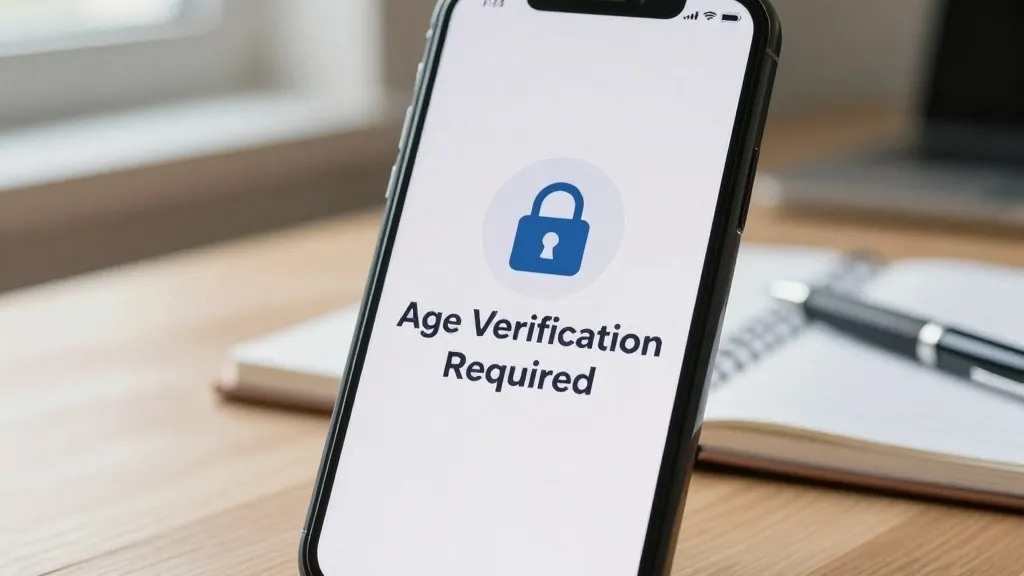
One billion young users across the globe may soon find their digital habits fundamentally altered, but in Greece, the change will be legally enforced for a specific demographic starting in just over two months. On January 1, 2027, a sweeping new regulation will take effect, officially barring children under the age of 15 from using major social media platforms unless they can verify their age through state-mandated methods. This legislative move marks a significant shift in how the European Union approaches digital childhood, positioning Athens as a pioneer in imposing such strictures on a national scale.
The law, which was formally passed by the Greek parliament, targets popular services including TikTok, Instagram, Facebook, and X. Prime Minister Kyriakos Mitsotakis, who initially proposed the measure earlier this year, described the legislation as "difficult but necessary." The core requirement is that these digital services must implement proportionate and reliable age-verification systems to ensure compliance. If platforms fail to adhere to the new standards, they face financial penalties under the existing EU Digital Services Act framework.
To enforce the ban, the government is introducing a practical mechanism for families. Parents will be required to download state-backed applications known as Kids Wallet or Gov.gr. These tools will be paired with their children's devices to block access to social media when the user is under 15. Dimitris Papastergiou, the minister for digital governance and AI, explained that these apps are engineered to protect privacy by using "age tokens." This technology allows for age confirmation while minimizing the amount of personal data disclosed by the child.
Papastergiou defended the urgency of the national action in a recent statement. "It would have been very easy to do absolutely nothing today and wait for the perfect European law. But the challenge is here. Children are sinking into the internet every day, and I believe a responsible government must do what it is obliged to do," he noted. While minority parties in the parliament opposed the bill, the ruling majority pushed it through, reflecting a broader national consensus that digital safeguards are a priority.
This legislation follows a 2024 decision by Greece to ban mobile phones in schools, suggesting a sustained governmental effort to manage technology exposure for youth. Recent opinion polls indicate that the adult population in Greece widely supports this new restriction. The government views this national step as a catalyst for broader continental change. Mitsotakis has stated that the aim is to push the European Union in the same direction, a goal recently echoed by the European Commission's introduction of the EU Kids Act, though that proposed law currently stipulates a ban only for children under 13.
Globally, Greece joins a small group of nations taking firm action on this issue. Australia was the first country to enact a full social media ban for minors, although it has faced significant hurdles in implementing effective age verification. As 2027 approaches, Greece’s model may serve as a critical test case for the feasibility of these strict digital boundaries in the wider European market.
Source: Engadget