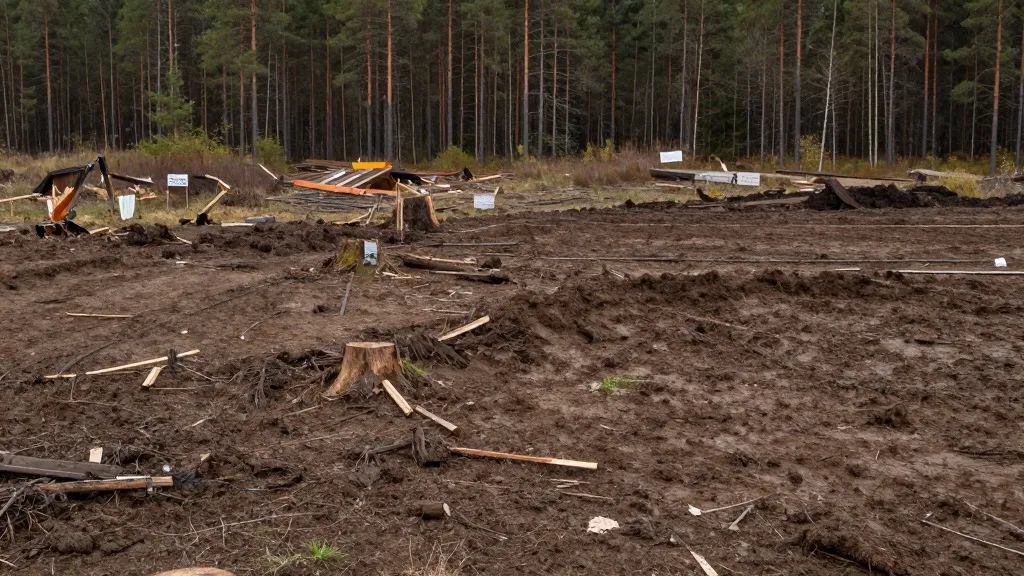
Amazon swaps four planned data centers for housing and arts space in Loudoun County
After significant local resistance, the tech giant will convert most of the 122-acre site into residential areas and donate land for community facilities.
By Isabella Morales ·
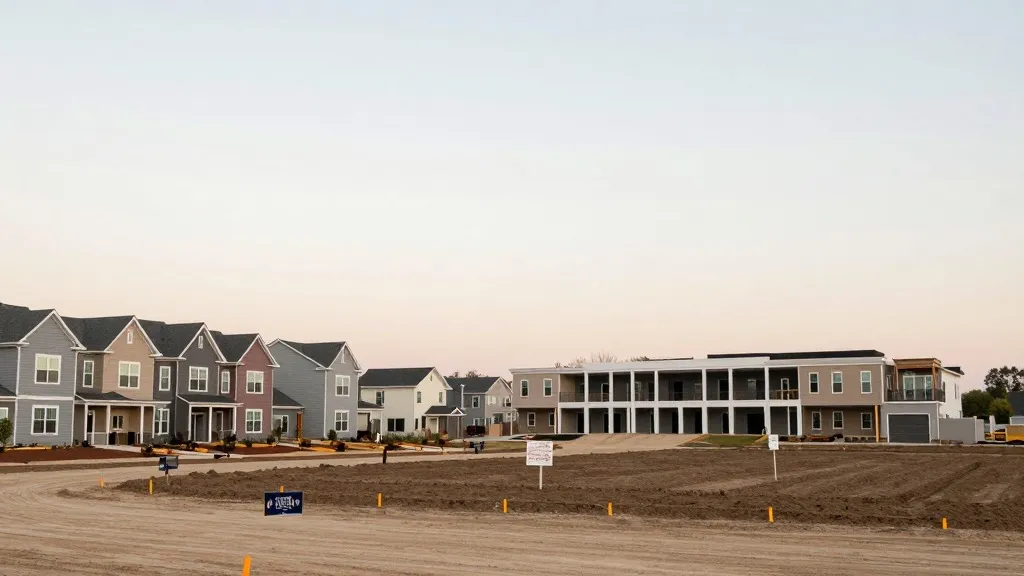
Amazon has officially withdrawn its plan to construct four new data centers in Northern Virginia, opting instead to transform the land into a mixed-use neighborhood.
The company will repurpose the majority of the 122-acre property, which was formerly part of the George Washington University campus in Loudoun County, for residential and mixed-use development. In addition to the construction changes, Amazon will donate 25 acres of the site to the county for the creation of a new community arts center and recreational facility. The tech giant is also contributing five million dollars to the local housing fund, a financial commitment that marks a significant shift in its local strategy.
This decision follows a period of intense scrutiny in a region already known as Data Center Alley, which holds the largest concentration of such facilities on the planet. Residents expressed strong concerns regarding the noise levels and the massive power requirements of these buildings. Amazon first proposed the project in July, but by September, the company met with Loudoun County Board of Supervisors Chair Phyllis J. Randall. During those discussions, officials suggested that an alternative use for the land might be more beneficial for the community than the original tech infrastructure plan.
Josh Weissman, Amazon's vice president for data center development, explained that the company moved quickly to purchase the former university campus when the opportunity arose. However, he acknowledged that the firm carefully weighed the county's specific worries about development at that particular location. Weissman noted that while Amazon viewed the legal potential of the property differently than the county did, they decided that a shared vision was better than costly litigation. This approach allowed both parties to avoid a prolonged legal battle over the site's future.
The broader context for this change involves the rapid expansion of AI technologies, which has dramatically increased demand for large-scale computing facilities. As cloud services and AI models grow, the need for power and space has put strain on local grids and environments. Local communities have become increasingly wary of the impact these facilities have on electricity prices, water usage, and land use. In response to these growing tensions, President Donald Trump recently called for data center builders to pay local communities a dividend. He also proposed that these facilities should generate their own power and sell any excess energy back to the grid.
Local officials in Loudoun County framed the outcome as a success of negotiation rather than confrontation. Chair Randall stated that choosing dialogue over reflexive disagreement created a valuable opportunity for the county. She highlighted that the new agreement provides places for residents to gather and play, while also making it possible to offer more attainable homes for working families in the area.
The shift in plans serves as a clear example of how local pushback can alter major corporate infrastructure projects. By prioritizing residential development and community amenities, the county has secured tangible benefits for its residents. This outcome suggests that future data center projects may need to address local concerns about energy and noise more proactively to gain approval in densely populated areas.
Source: Tom's Hardware