Folding iPhone rush forces Apple to scramble production targets
Surging pre-orders for the new foldable device have pushed Apple to raise its first-year shipment goals by millions of units.
By Natalia Campos ·
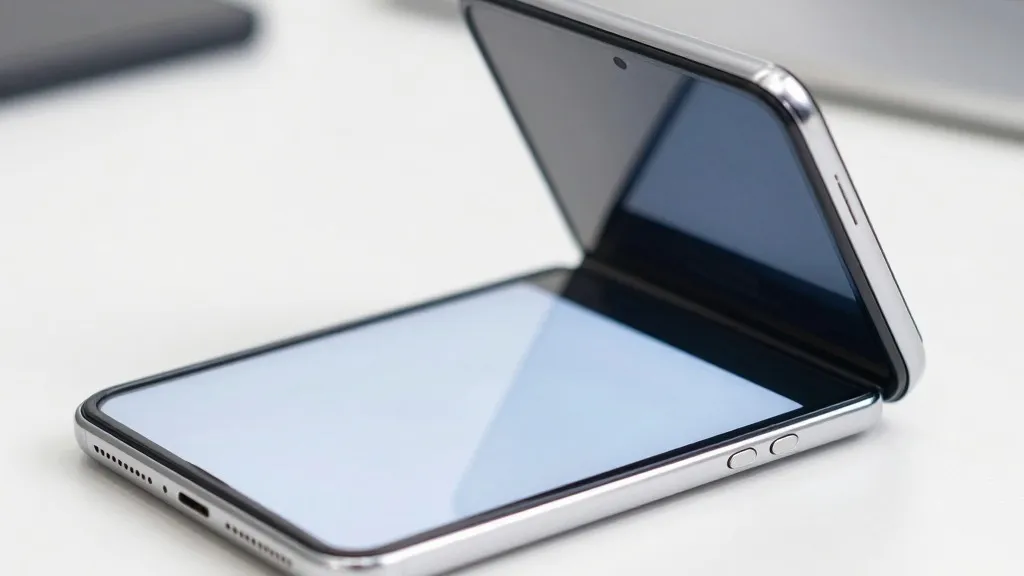
The launch of Apple’s first folding smartphone has hit a wall of immediate, overwhelming demand that has forced the company to rethink its production plans. What began as a standard pre-order opening has quickly turned into a logistical challenge, with delivery windows slipping almost instantly after customers placed their orders. This surge has created a clear tension between consumer enthusiasm and the physical limits of manufacturing capacity.
Pre-orders for the iPhone Duo opened on Friday, and the response was immediate. Customers reported receiving extended delivery dates, with some shipments pushed as far out as late January. While Apple attributed these delays to "extraordinary" demand, the phrase is one the company has used frequently for previous iPhone launches. To manage the crowd and reduce the impact of scalpers, Apple limited each customer to a maximum of two devices per order.
In the hours following the launch, it was difficult to determine if the long wait times were due to a sudden spike in interest or a lack of available inventory. However, new supply chain reports now point strongly toward high demand as the primary driver. As anticipated, some early buyers have already seen their estimated shipping dates move forward, a sign that the system is stabilizing as production ramps up.
According to a report from DigiTimes, which cites sources within the supply chain, Apple has significantly increased its order volume for the iPhone Duo by more than 40 percent. This boost in orders is a direct response to the strong initial uptake. The company expects this level of demand to persist, leading to a major adjustment in its long-term forecasts for the device.
The most significant change is in the shipment targets for the first twelve months. Apple has raised its goal from 9.7 million units to 14 million units. This increase reflects a confident bet that the folding form factor will sustain interest well beyond the initial launch window. The shift indicates that the company is prepared to invest in additional manufacturing capacity to meet this heightened expectation.
For those who have already received their devices, the experience is not yet perfect. Early users are dealing with third-party applications that have not been fully optimized for the new hardware. This is a common hurdle for any new smartphone architecture, as developers need time to adjust their software to the unique screen and form factor of the foldable phone.
Apple maintains that the situation is improving rapidly as more developers update their apps to support the iPhone Duo. Initial reviews based on a week of usage have painted a consistent picture. While the hardware is well-received, app support remains one of the five key takeaways in these early assessments, highlighting the ongoing need for ecosystem adaptation.
Another point of discussion in the early reviews is the security feature. The iPhone Duo uses Touch ID for unlocking, which some users see as a step back from the facial recognition system used on other recent models. However, industry reports suggest that Apple is already looking ahead. Prototypes for the iPhone Duo 2 are currently being tested with Face ID, indicating that the company is working to address this specific user preference in the next generation of the device.
Source: 9to5Mac