Space Force declines three SpaceX contracts; PLD Space nears Miura 5 debut
A U.S. military procurement decision and progress on a Spanish small-lift vehicle mark a quiet week in the commercial launch sector.
By Brianna Jackson ·
Commercial launch customers in the Midwest may notice fewer government satellites riding on SpaceX rockets in the coming months, as the company has formally declined three proposed launch contracts from the U.S. Space Force. The decision, announced this week, signals a strategic shift for the Florida-based firm, which will forgo these military opportunities to prioritize other internal goals. For everyday consumers, the move does not immediately alter access to satellite-based internet or weather data, but it reflects a broader calculation regarding the allocation of the company’s launch cadence between civil and military missions.
The timeline of this decision coincides with a significant technical revelation regarding SpaceX’s Starship program. A NASA safety panel recently indicated that the vehicle may require as many as 22 in-orbit refueling operations to successfully support a lunar landing. This high number of required propellant top-ups highlights the complex engineering challenges still ahead for the massive rocket, which remains central to NASA’s plans to return astronauts to the Moon. The panel’s assessment serves as a benchmark for the safety margins required before the vehicle can be certified for crewed missions.
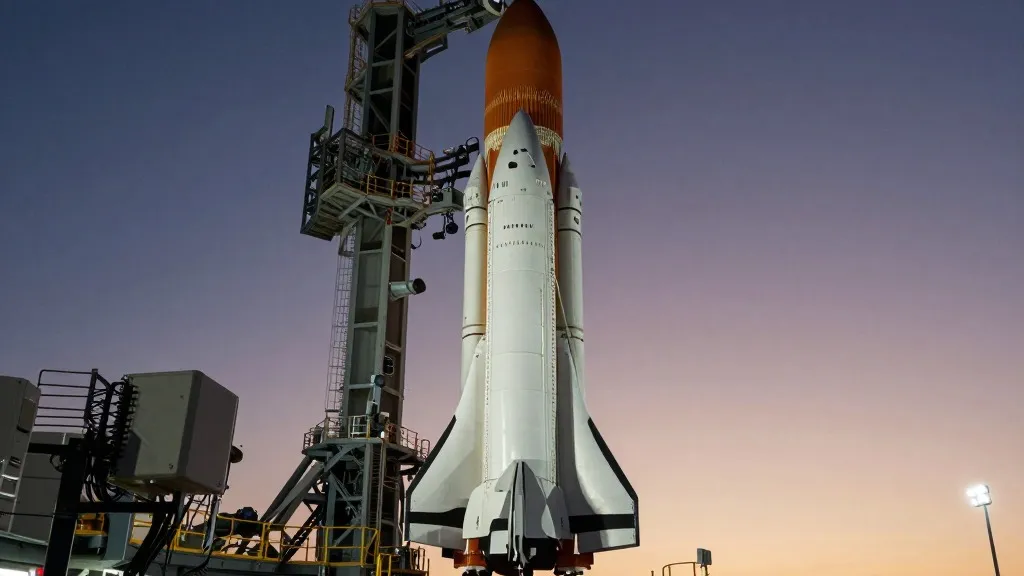
While U.S. news dominated the headlines, engineers in Spain are closing in on the debut of a new small-lift rocket. PLD Space, a Spanish startup, reported that its Miura 5 vehicle is nearing final integration. The company has already manufactured three of these rockets; two were used to qualify key system elements, while the third is prepared for the inaugural flight. CEO Raúl Torres noted that the production of these three units allowed teams to apply lessons learned from qualification campaigns directly to the launch vehicle. The first flight is now targeted to occur before mid-2027.
Currently, one Miura 5 second stage is fully integrated and undergoing system-level testing at PLD’s test facility in Teruel. This qualification campaign includes a wet dress rehearsal and a static hot-fire test, which simulate the actual thrust and environmental conditions of a launch. These tests are critical for validating that the rocket’s components can withstand the stresses of re-entry and ascent. The progress marks a significant milestone for European independence in small-lift launch capabilities, offering an alternative to U.S. and Chinese providers.
Meanwhile, Canadian startup Reaction Dynamics is moving to expand its workforce and funding base. The company is seeking to raise $350 million to grow its staff from 68 to more than 350 employees. This capital injection is intended to support the development of its Aurora small-lift rocket, which aims to reach orbit by 2028. The company has also outlined plans for a medium-lift vehicle named Borealis, with a debut targeted for 2031. These expansions indicate a sustained investment in the North American launch market, despite the recent U.S. military procurement decisions affecting competitors.
The coming weeks will see continued testing activities for both PLD Space and SpaceX. For PLD Space, the focus remains on completing the static tests for the Miura 5 second stage, a prerequisite for the vehicle’s first orbital attempt. SpaceX, meanwhile, will continue to refine the Starship refueling protocol in response to the NASA panel’s findings. Investors and industry analysts will also be watching the outcome of Reaction Dynamics’ fundraising round, as it could determine the pace of its Aurora development. These concurrent events illustrate the diverse trajectories of the global launch industry, from established giants making strategic withdrawals to emerging startups scaling up their operations.
Source: Ars Technica