Tesla's FSD Count Relies on Musk's Pay Terms
A surge in reported Full Self-Driving metrics is driven by a definition that includes upfront buyers to satisfy compensation milestones.
By Arjun Patel ·
Tesla’s latest financial report presents a significant growth story in its software division, but the numbers rely on a specific accounting method that aligns directly with the company’s CEO compensation structure. The core tension lies in how the automaker defines an active user for its Full Self-Driving feature, a metric that is critical for unlocking a major portion of Elon Musk’s 2025 performance award.
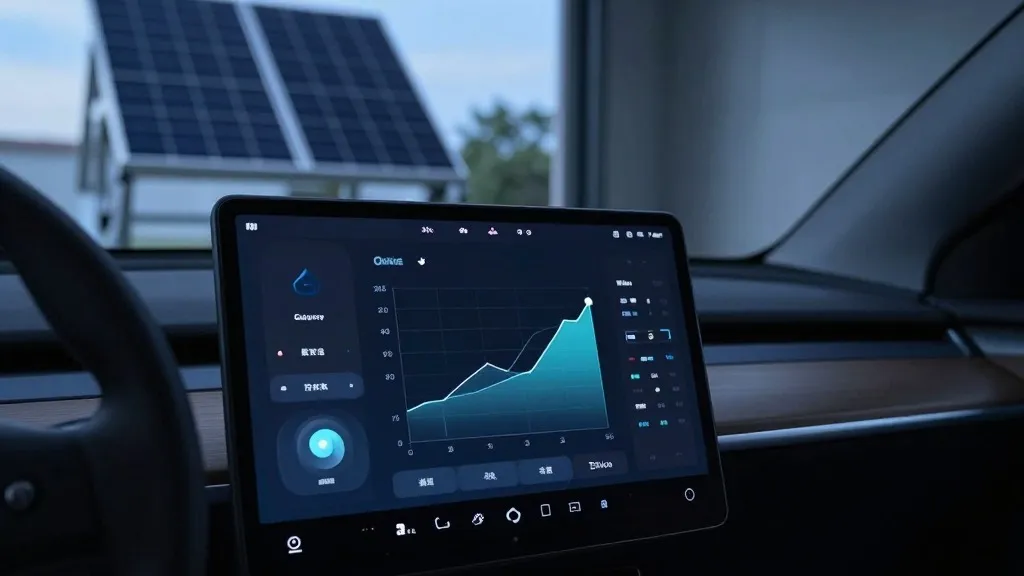
In its Q3 2026 shareholder letter, Tesla announced that it has reached 1.74 million active FSD subscriptions. This figure represents a 67% increase compared to the same period last year. However, a footnote clarifies that this count follows the parameters set by the 2025 CEO Performance Award. Under this rule, the metric includes both customers who pay a monthly fee and those who purchased the software as a one-time upfront payment. Consequently, owners who bought the package years ago are currently categorized as subscribers, a classification that boosts the total count significantly.
The distinction matters because hitting 10 million active FSD subscriptions is a key operational milestone for Musk’s pay package. The inclusion of upfront buyers is particularly notable given that hundreds of thousands of these customers originally purchased the software with the expectation of unsupervised self-driving, a capability Tesla has not yet fully delivered. Tesla ceased selling FSD as a one-time purchase on February 14, 2026. Since then, new customers in the U.S. have been limited to a $99 monthly subscription, while previous buyers who paid up to $15,000 remain in the active count as long as their vehicles are operational.
Despite this growth, Tesla has not disclosed how many of the 1.74 million users are actually paying the monthly fee. This lack of transparency has persisted since the company reported 1.28 million active subscriptions in April. The same accounting approach appears in other areas of the report. Tesla’s cumulative delivery figure, now at 10.2 million, includes unsupervised Robotaxis placed into commercial operation to match the 20 million vehicle milestone required for the pay package.
The letter also highlights a 75% attach rate for FSD among new North American deliveries in Q3, describing it as a nearly 20 percentage point sequential increase. Tesla claims this software is driving demand in available markets. However, the definition of this attach rate is unclear. It is unspecified whether the figure includes subscriptions started with introductory offers or how many of those buyers remain active after the initial period. Unlike the active-subscription metric, which excludes free trials, the attach rate does not explicitly state such exclusions.
Musk’s 2025 award consists of 12 tranches, each requiring a market cap and an operational milestone. The operational targets include 20 million vehicles delivered, 10 million active FSD subscriptions, one million Optimus robots, one million robotaxis, and adjusted EBITDA goals. As of June 30, Tesla considered only the 20 million delivery target probable. The company added 260,000 net FSD subscriptions in Q3, its best quarter to date. At that pace, reaching 10 million would take about eight years, whereas the average pace of the last 12 months suggests a timeline closer to 12 years. The award remains valid until 2035.
While counting upfront buyers is not inherently incorrect, the presentation of the total as a sign of momentum raises questions for investors. The definition was crafted for compensation purposes rather than to clarify the business’s recurring revenue base. The board approved these terms, and the company’s refusal to break down the monthly paying cohort leaves a gap in understanding the software’s true commercial traction.
The 75% attach rate remains the more compelling claim, as a high take rate on a $99 monthly product would signify a robust business model. Investors are now looking for retention data to verify if this initial adoption translates into long-term revenue. The clarity of these metrics will be crucial as Tesla navigates the final stretch of its compensation milestones.
Source: Electrek