Tesla Roadster Cockpit: What Drivers Will See Before Thruster Activation
A new video reveals the fighter jet inspired interface that will guide the 2028 Roadster through its extreme performance modes.
By Emily Carter ·
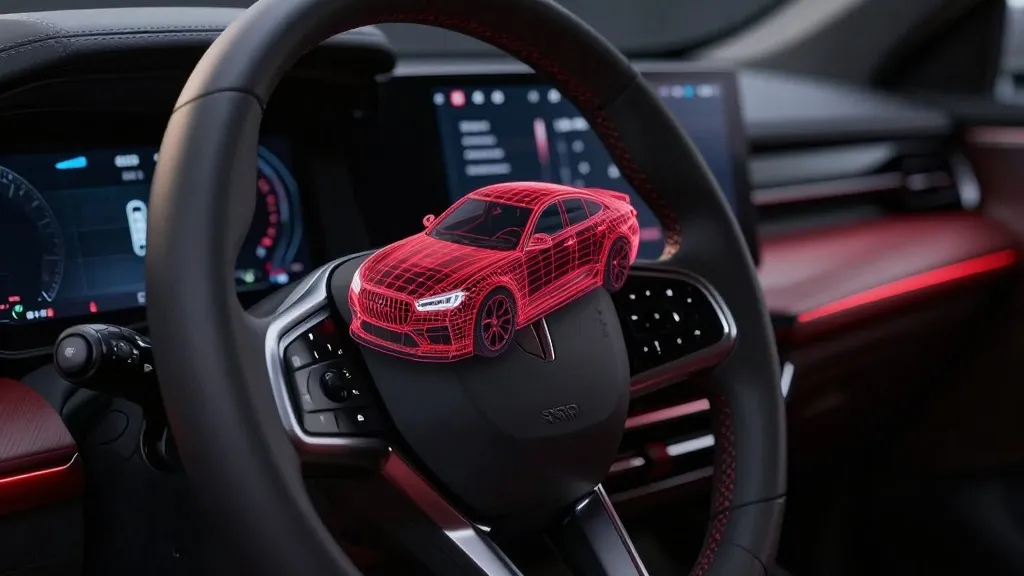
The electric supercar world is evolving, and Tesla has just pulled back the curtain on the digital nerve center of its upcoming flagship. On Friday afternoon, the company released a short video showing the cockpit interface of the next generation Roadster, offering potential buyers their most detailed look yet at how they will control the vehicle. The clip, which lasts only thirty four seconds, was posted to X with a caption stating that the interface was inspired by fighter jet cockpits and designed around the pilot. This release marks a significant shift in how Tesla presents its driver experience, moving away from simple navigation screens to a complex, performance focused dashboard.
The video opens with a black screen featuring red graphics and a three dimensional wireframe model of the car. This model sits beside the Roadster’s squared off yoke steering control. As the viewer watches, the interface responds to touches on the car model, bringing up specific controls for the rear wing. These controls allow the driver to select between low drag and high downforce positions. The screen also displays a charging page that includes a charge limit bar and a small music player. Along the bottom of the display, a row of tabs organizes the main functions, labeled Home, Vehicle, Listen, Climate, and Navigate.
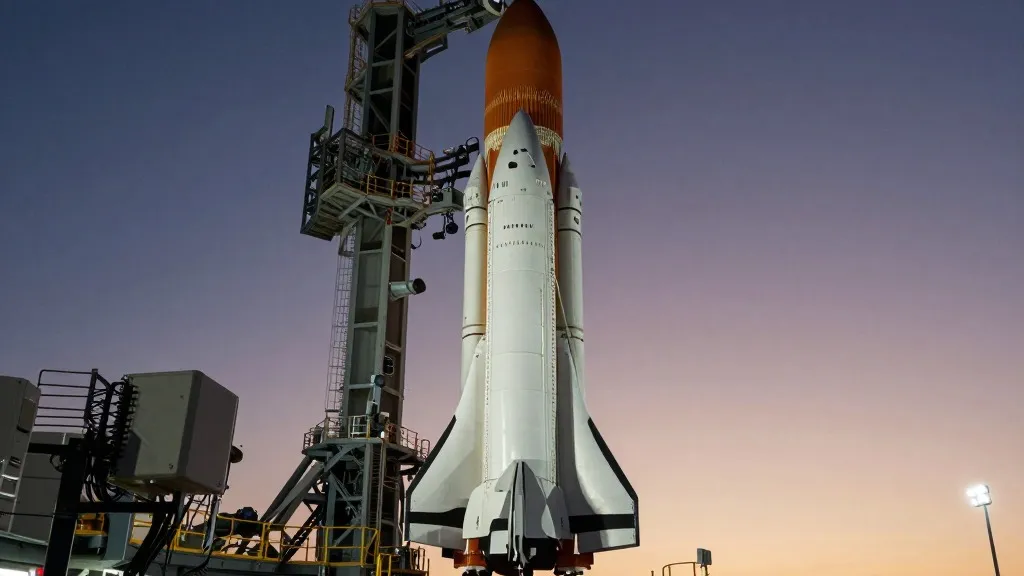
To understand how this interface fits into the broader timeline of the Roadster’s development, it is helpful to look back at October 15. On that date, Tesla showcased the physical hardware that this software will manage, specifically near Waco, Texas. The Thrust and Rocket versions of the car utilize cold gas thrusters fed by carbon overwrapped pressure vessels. Tesla lists 0 to 60 mph acceleration times of under 0.9 seconds for the Thrust model and under 0.59 seconds for the Rocket model. The base Performance car, by contrast, relies on a fan and ground sealing system for grip rather than thrusters. The software shown in the new video directly ties into this hardware, providing the digital controls for these mechanical systems.
The majority of the new video is dedicated to Track Mode, which represents the most advanced aspect of the user experience. In this mode, the dashboard transforms to show a live map of the circuit, a list of session lap times, and real time data for brake and motor temperatures. It also provides pressure and temperature readouts for each individual tire. A setup page allows the driver to choose from Auto, Low Drag, High Downforce, or Custom aero modes. Drivers can adjust aero balance and brake balance, as well as switch stability and traction control off. Along the bottom of the screen, a status bar displays the text “Thruster · 5,500 PSI” next to a “Boost Ready” indicator, linking the visual data to the physical state of the thrusters.
This layout represents a clear departure from the rest of Tesla’s current lineup. Instead of centering the navigation map on the screen, the Roadster places a model of the car at the center of the home page. Tesla’s official Roadster page lists two smaller forward displays in addition to the main touchscreen. It remains to be seen whether any of this Track Mode telemetry will eventually make its way into other vehicles, such as the Model 3 Performance, though Tesla has not yet made that commitment. The interface is designed to feel like a cockpit rather than a traditional dashboard, emphasizing the pilot role mentioned in the company's description.
Looking ahead, the interface could still change before deliveries begin. Elon Musk stated at a previous event that Roadster production will begin in 2028. Tesla notes that the flagship Rocket version is not yet approved for public road use. Reservations for the vehicle are currently open, requiring a $50,000 payment. The Thrust version is listed as a limited release, while the Rocket version is available on an invite only basis. These details suggest a tiered release strategy that prioritizes the most extreme versions of the car.
For those who want to see the physical car in person, the first opportunity is arriving this weekend. The Roadster will be on display in the lobby of the Petersen Automotive Museum in Los Angeles from October 24 to October 27. According to Sawyer Merritt, this will be the first time the general public can view the vehicle up close. This public debut coincides with the release of the cockpit video, giving interested buyers a chance to connect the digital interface with the physical hardware in a real world setting.
The combination of the new video and the upcoming museum display provides a comprehensive view of what Tesla has in store for the 2028 model year. The focus on thruster status and aero controls highlights the engineering complexity under the hood. As production approaches, the interface will likely undergo further refinement, but the current design sets a high bar for electric performance vehicles. The Roadster remains a unique entry in the Tesla family, aimed at enthusiasts who want a cockpit experience that feels like piloting a high speed machine rather than driving a conventional car.
Source: Teslarati