Tesla's Driverless Car Plan Faces Geographic and Safety Limits
Tesla's upcoming autonomous feature is restricted to specific operational zones and involves joining a managed fleet rather than unrestricted personal travel.
By Priya Sharma ·
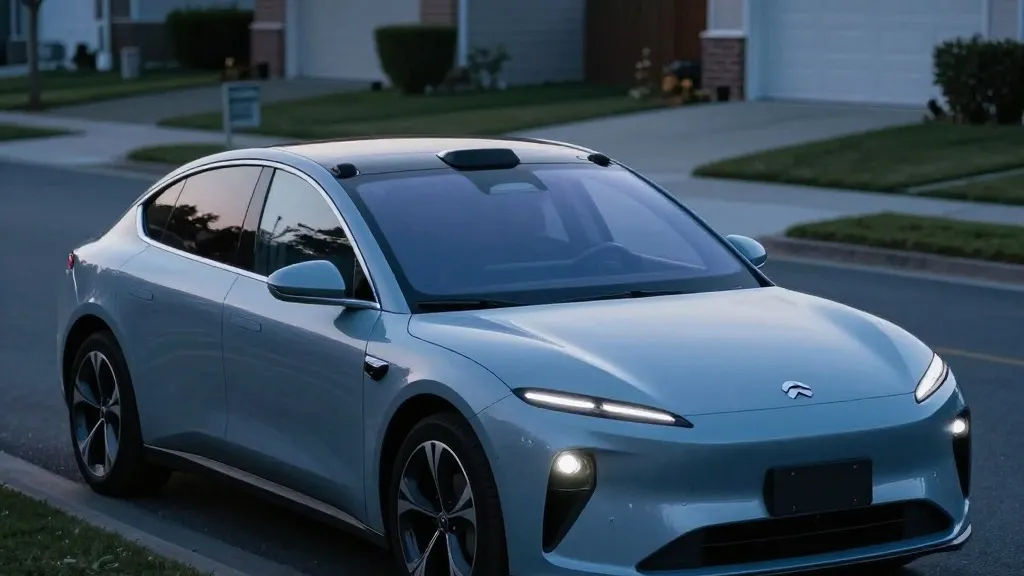
1.1 million shares. That is the weight of shareholder interest behind a single question submitted for Tesla’s Q3 2026 earnings call: when can owners expect unsupervised Full Self-Driving? During the call, AI chief Ashok Elluswamy provided a timeline of Q2 2027. However, the specifics of this timeline indicate a significant departure from the product customers originally purchased in 2016, which promised a vehicle capable of driving itself to any destination without a driver.
The proposed solution is not a software update enabling a car to act as a personal vehicle for travel without supervision. Instead, Elluswamy described a process where owners add their vehicles to Tesla’s managed Robotaxi fleet. This means a car would only operate autonomously within specific zones where Tesla already provides Robotaxi services.
These operational areas are limited in scope. Tesla’s service is currently available in six US metros, but the geographic coverage within these cities is restricted. For example, the Miami zone covers West Miami and areas toward Doral and Sweetwater, while the Orlando and Tampa zones are similarly small. Within these boundaries, operation is restricted to low-speed routes, largely avoiding highways and more difficult driving environments.
Operational restrictions also apply in other regions. In the Bay Area, the service cannot operate without supervision because California regulations require a safety driver unless Tesla releases specific data to the California DMV, which it does not do for systems above level 2. Additionally, the fleet size is limited; Tesla reported nearly 2 million cumulative unsupervised miles by the end of Q3, while third-party tracking showed only a small number of fully driverless Teslas on public roads. By comparison, Waymo, which was already operating in Orlando and Tampa before Tesla, has over 3 million miles.
For years, the marketing to FSD buyers has promised a vehicle that would eventually drive itself anywhere through a software update. Previous timelines from Elon Musk, including statements about availability by the end of 2025 or the following year, have not been met, and owners of HW3 computers have been told their hardware cannot run unsupervised FSD. Consequently, the Q2 2027 target represents a change in both schedule and scope: a vehicle operating inside a controlled network under specific terms.
The timeline is also dependent on resolving safety issues. Elluswamy stated that safety is the bottleneck for expanding beyond low-speed roads and simpler environments. He estimated that these issues would be resolved by next year, but he did not provide a specific date for when that would occur.
Source: Electrek