Tesla Sets Date For First Robotaxi Sales
The company plans to start selling its driverless Cybercab to private buyers before the calendar year ends.
By Rafael Ortega ·
The wait for Tesla's driverless ride is finally over.
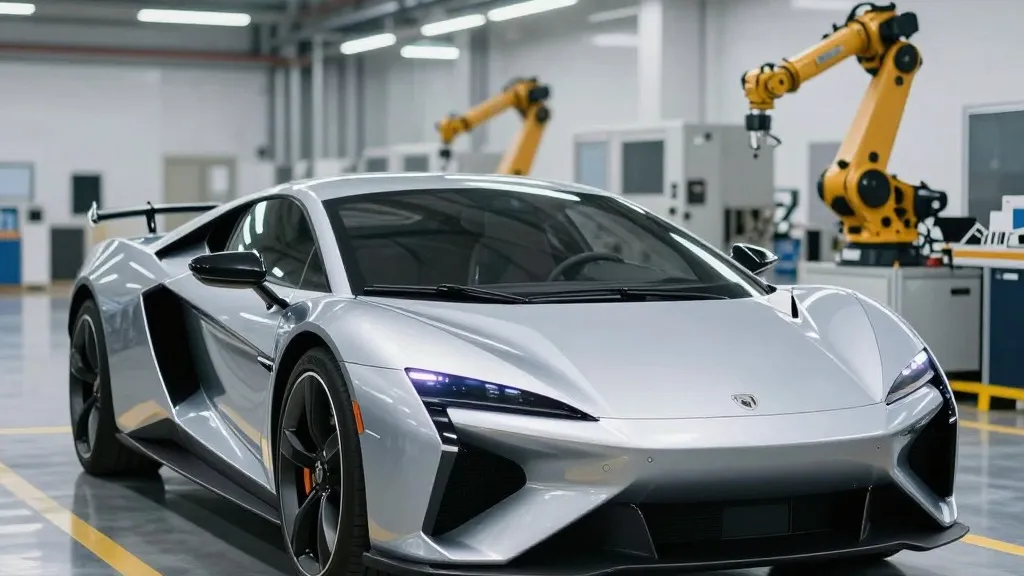
Tesla has officially confirmed that its Cybercab robotaxi will be available for purchase by customers before the end of 2026. This announcement puts an end to months of speculation about when the fully autonomous vehicle would hit the open market. The timing was revealed during the company's third-quarter earnings call on October 21. Vice President of Engineering Lars Moravy stated that the goal is to get these vehicles into the hands of private owners by year-end. He noted that production is already moving along the line at Gigafactory Texas. However, every unit rolled off the line so far has gone directly into Tesla's internal Robotaxi fleet. Moravy explained that as operations scale up, the company will mainly deliver these fully designed autonomous vehicles to the public. The Cybercab will be the first such vehicle to reach that stage. Initial deliveries will be small in scale. This allows the team to gain experience with delivery logistics, ownership models, and fleet management. It also helps them learn how to operate autonomous vehicles outside of their direct control.
The path to this point has been steady but deliberate. Tesla began producing the Cybercab in February of this year. The vehicle is a two-seater built without a steering wheel or pedals. It relies entirely on the company's Full Self-Driving software. In early September, Tesla launched public rides using early units of the car. The company has previously indicated that the price point for these vehicles would be around $30,000. CEO Elon Musk reinforced the limited nature of private sales during the same call. He described the Cybercab primarily as a service rather than a traditional personal car like the Model 3 or Model Y. Musk stated that the vast majority of these units will remain Tesla-owned and operate as a transport-as-a-service offering. This approach mirrors the upcoming Roadster strategy, where the vehicle serves a specific utility rather than just personal transit.
Looking ahead, the focus shifts to regulatory and technical hurdles. Ashok Elluswamy, Tesla's Head of AI, indicated that unsupervised Full Self-Driving is expected to ship to consumer cars during the second quarter of 2027. Early buyers or fleet operators might receive vehicles with geographically restricted autonomous capabilities. This limitation is largely due to lagging regulatory agencies. While the end of 2026 is the target for initial sales, several challenges remain. The company must navigate these obstacles to ensure smooth deliveries. The shift from internal fleet use to private ownership marks a significant step for the brand. It tests the company's ability to manage complex logistics and customer expectations. As the year draws to a close, attention will turn to how quickly Tesla can scale these initial small batches. The success of this rollout will set the pace for future autonomous vehicle releases. For now, the date is set and the machines are being built.
Source: Teslarati