White House urges AI giants to share power savings with local neighbors
The administration wants data centers to return excess energy to communities to offset rising utility bills and reduce local opposition to new construction.
By Thomas Reynolds ·
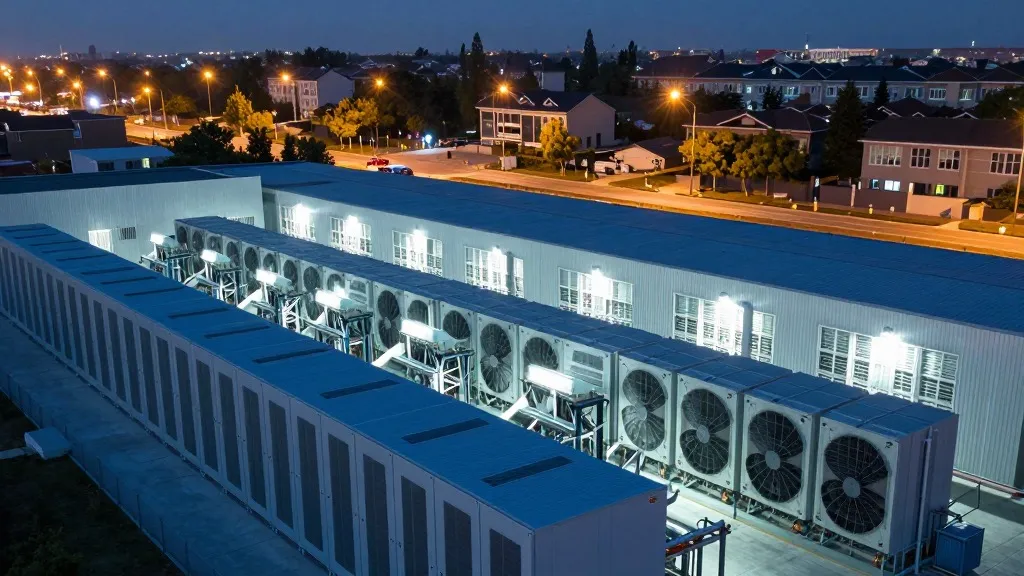
Tension has risen between massive artificial intelligence data centers and the small towns that host them. Residents in various parts of the country are pushing back against these facilities due to concerns over noise, water usage, and soaring electricity costs. In response, President Donald Trump has issued a new directive calling for these tech giants to pay a dividend to local communities. The goal is to make the presence of these data centers more acceptable to the public by addressing the financial strain they place on households.
In a post on Truth Social, the President outlined a plan that goes beyond previous orders for data centers to generate their own power. He stated that these facilities should also give or sell their excess energy back to the local grid. This move is intended to prevent local utility rates from climbing or to potentially lower them. By ensuring that neighbors receive a tangible benefit, the administration hopes to smooth the path for more data center construction across the United States.
The push for this policy comes as the Trump Administration works to stay ahead of China in the global race for AI dominance. However, the rapid expansion of these facilities has created friction with local populations. Communities have cited several issues, including air pollution, deforestation, and significant water shortages. The proposed energy dividend is designed to alleviate the most immediate pain point: the rising cost of electricity for homes near these high-consumption sites.
The administration has previously ordered these companies to be self-sufficient in their power generation. Additionally, a recently passed act requires data centers to cover the costs of necessary grid upgrades, rather than passing those expenses on to local taxpayers. The new proposal builds on these steps by suggesting that any surplus electricity produced by the centers be shared with the community. This could help stabilize local energy prices and reduce the financial burden on residents.
President Trump emphasized the economic incentive for local cooperation in his post. He noted that data centers which were once unpopular have become well-liked once a financial agreement was reached. He urged developers and tech companies to make these deals so that projects can move forward quickly. The administration views this as a way to win back public favor while accelerating the nation's AI infrastructure.
However, the effectiveness of this dividend remains to be seen. While addressing electricity costs is a significant step, it does not solve all the complaints from local residents. Issues such as high water consumption, ecological damage, and general pollution remain major hurdles. These environmental factors continue to make data centers a difficult sell in many areas, regardless of the financial benefits offered to the community.
The practical details of how this dividend will be calculated and distributed have not yet been fully defined. The administration is looking for solutions that can quickly improve relations with local stakeholders. For now, the focus is on ensuring that the energy demands of the AI sector do not come at the direct financial expense of the neighbors living closest to the servers. The coming months will show whether this policy shift is enough to turn skeptics into supporters.
Source: Tom's Hardware