Moon landing needs more rockets
A new NASA safety estimate suggests twenty-two Starship launches are needed to send astronauts to the Moon, raising concerns about the timeline.
By Ji-eun Choi ·
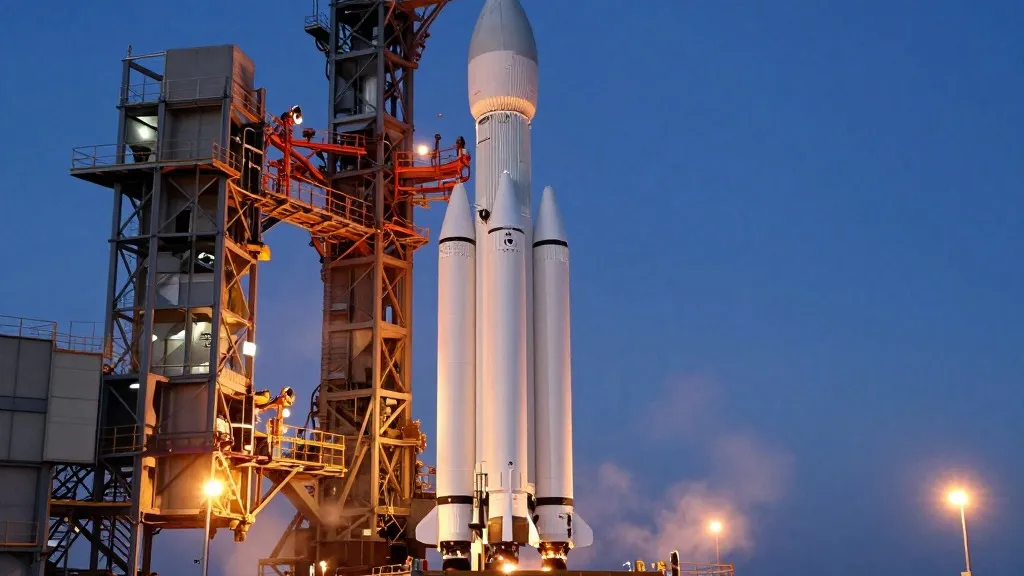
NASA treats one specific number with unusual secrecy. It is not a budget figure or a launch date. It is the count of rockets required to refuel a lunar lander in orbit. This metric is central to the Artemis Program. Yet agency officials have guarded it tightly for years.
The tension lies in the growing gap between hope and reality. For a long time, the public assumed the number would be low. Recent internal assessments suggest it is much higher. This shift creates a clear conflict. The goal is to land humans on the Moon this decade. The logistics may no longer support that pace.
On Thursday, the NASA Aerospace Safety Advisory Panel held its regular quarterly meeting. Charlie Precourt, a former NASA astronaut and current panel member, spoke during the session. He discussed the risks tied to landing people on the Moon. His comments highlighted a new estimate that has circulated among officials.
The new figure is twenty-two. That is the number of Starship launches now projected to support a lunar mission. This count covers the fueling process in low-Earth orbit. A dedicated depot vehicle would stay in orbit. Additional tanker ships would fly to it. They would deliver liquid oxygen and methane. This process must happen before the lander can head to the Moon, land, and return to orbit.
This number is a significant jump from previous guesses. In 2023, Lisa Watson-Morgan, then the director of NASA’s Human Landing System, told Ars Technica that the agency had a general idea but was reluctant to be specific. She later described the range as high single digits to low double digits. That phrasing implied about a dozen launches.
Other officials have offered different figures over time. Some have cited high teens. The variation reflects the uncertainty in the engineering. SpaceX had hoped to improve the lift capacity of its Starship rocket. Better performance would mean fewer tanker flights. That hope has not fully materialized yet.
Concerns are growing within NASA. Some officials worry that the needed improvements are not coming soon enough. If the number of required launches stays high, the timeline slips. The Artemis Program aims to return humans to the Moon this decade. A requirement of twenty-two launches makes that goal harder to reach.
The logistics are complex. SpaceX must launch a depot Starship first. Then, multiple tanker Starships must launch and dock. Each flight adds cost and risk. The fuel must be sufficient for the outbound trip, the landing, and the return to lunar orbit. Any miscalculation in propellant mass could ground the mission.
Open questions remain. Will SpaceX increase the lift capacity of the vehicle? If so, how much? These improvements could lower the launch count. Until then, the estimate of twenty-two stands as the current baseline. It serves as a reality check for the program's schedule. The agency must now plan around this higher number.
The secrecy around this metric is understandable. It is a sensitive engineering detail. But the stakes are high. The Moon landing depends on precise orbital refueling. The new estimate reflects the current state of the technology. It also signals the challenges ahead for the Artemis team.
Source: Ars Technica